
Art therapy and Occupational Therapy are closely related
Occupational therapy is an innovative profession with much to offer its clients.
Because it treats the whole person—mind, body, and soul— and is individually tailored to meet the complex needs of the client, types of treatment need to be equally innovative and unique. The adaptability and almost endless possibilities of art media allow for this innovation and individuality.
The goal of art therapy is to improve emotional function and well-being, occupational therapists strive to improve performance of functional tasks, particularly fine motor skills. Art can be seen as one of these functional tasks. Occupational therapists help individuals perform a variety of tasks, specifically tasks involving the muscles in the hands.

These skills are important in making patients active agents in their own lives. Without the ability to complete these kinds of tasks, emotional disturbances can worsen. It is hard to separate the impact of the inability to perform functional tasks has from emotional distress. Occupational therapists work to make these tasks easier for the patient, and therefore reduce stress.
The roles of occupational therapy and art therapists can sometimes overlap. Occupational therapists sometimes have to address psychological factors that impact functioning, which an art therapist also does.
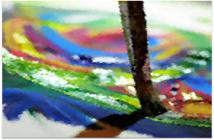
Patients seeing occupational therapists might be doing so as the result of a traumatic injury. When these types of injuries are expe
rienced, the damage is not only physical. Art therapy has been shown to be particularly helpful for patients experiencing Post Traumatic Stress Disorder (PTSD). These patients often have problems with flash
backs or bad dreams, something that the art therapist can work through with them. After being involved in an accident, it is important to tend to both the physical and emotional ramifications.
Applications
- Grief
- Incarceration
- PTSD
- Autism
- Cancer
Art Therapy and Grief
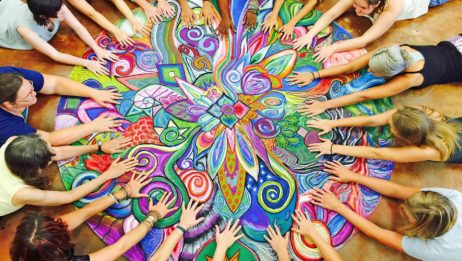 Professionals in grief counseling and art therapy work together to address effective non-verbal therapeutic approaches for those dealing with grief.
Having a support network is one of the effective ways that those experiencing grief can begin to heal. When the support network encourages art-making, especially among young people who have difficulty verbalizing their feelings, the grief may become easier to bear.
Often a wide range of emotions is experienced while grieving, ranging from regret and anger to helplessness and guilt.
One of the most important roles of the counselor is to explore the individual’s coping skills, or adaptation strategy.
One of these coping skills is the creation of art. Art therapy, particularly performed in a group setting, creates a safe space.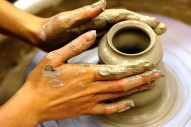
By creating art, the image becomes a launching point for conversation that might not have happened otherwise.
Art has shown to be pleasurable and relaxing for those doing it. It also encourages healing. Through art therapy, individuals increase their self-awareness and become empowered in the healing process.
For example, the person can shape his emotions, by shaping, modeling, sculpting clay.
Art Therapy and Incarceration
 Art therapy has shown to be effective in treating patients who have experienced trauma. Though all inmates have a unique background and path, they all share the experience of being incarcerated. Prison is a harsh environment that can be psychologically damaging to inmates, making them feel hopeless or powerless. The trauma of incarceration can worsen Post-Traumatic Stress Disorder or create PTSD-like symptoms.
Art is something that has been done in prison for many years. Having artistic talent, whether decorating envelopes, giving tattoos, or making murals, can increase the level of respect an inmate gets.
Studies published in the American Journal of Art Therapy have shown that participation in arts programs decreases the number of disciplinary reports on inmates.
It is shown to work despite illiteracy and other obstacles that inmates deal with.
A study published in The Arts and Psychotherapy showed that art therapy is effective in increasing mood, improving socialization, enhancing problem-solving skills, and locus of control.
The art-making process was seen as more beneficial than the end result.

The process of making art helps:
- Reduce aggression
- Enhance non-verbal communication
- Provide a diversion and emotional escape
- Self-expression acceptable to prison culture
- Reestablish identity
When inmates complete an art project, it gives them a sense of accomplishment.
The content of the art, or skill level of the artist, is less important than the process itself, which is what is therapeutic.
If inmates can learn to trust their art therapist and commit to attending sessions, it is beneficial for them, as well as the entire prison community.
Mental health populations in prisons are often neglected for many reasons, but art therapy has shown to be an efficient and effective way of managing issues, which should be used.
Art Therapy and PTSD
Post Traumatic Stress Disorder
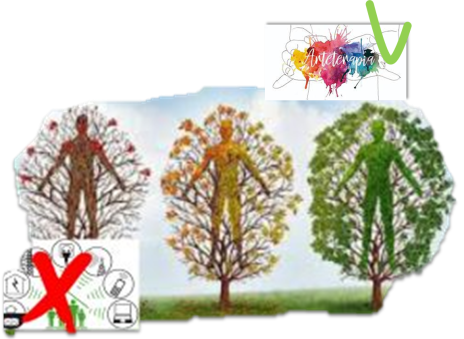
In the PTSD the Art Therapy is combined with cognitive behavioral therapy.
People can experience the symptoms of PTSD after a number of traumatic events, ranging from sexual assault to surviving a natural disaster.
After living through this kind of trauma, people can find it difficult to articulate what is bothering them.
One of the main presenting symptoms of PTSD is reliving the trauma through flashbacks.
The traumatic memories that play the largest role in flashbacks are encoded in non-verbal areas of the brain. This makes them difficult to talk about.
Because of this, making art can make the victim feel confident and empowered. Though they may not be able to articulate exactly how they are feeling, they can still express themselves through their art.
Art therapy creates a safe space for victims to venture into darker places. Survivors can choose the method of art they would like to employ (crayons, markers, paint, etc.) which gives them control of the situation.
Art Therapy and Autism
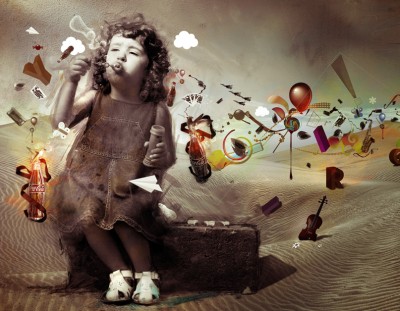
Children with ASD can have deficits in social communication in multiple contexts and are known to have specific interests and repetitive patterns of behavior.
Children with ASD are chronically over-stimulated and anxious. They have difficulty with verbal expression and lack many tools of communication. Art therapy can be very helpful to these children who need a way of channeling their emotions. It motivates children with ASD to connect with someone and provides them with a non-verbal means of communication.
The creative activities of art therapy provide improvements in:
- Attention span
- Organization
- Problem solving
- Flexibility
- Impulse control
- Cognitive functioning

With children who have such difficulty communicating, and some that are completely non-verbal, a therapy that encourages other options is very helpful. Sessions need to be tailored to the child’s individual needs. Some may have more success individually while others would benefit from a group setting.
Art Therapy and Cancer

Art can be used in therapy to help those with cancer to decrease preoccupation with pain, express feelings, and can assist in connecting with others.
Art becomes a means of communication in the therapeutic relationship and allows a physical display of insight and hidden emotion.
Art can provide a distraction from pain, both physical and mental.
Art can be used as a distraction to help those with depressive disorders replace negative thoughts and occupations with ones that are more pleasurable.
Art activities seemed to decrease anxiety and boredom in clients while increasing communication.
Creating art is found to be relaxing and interactive with others. There are visual and tactile benefits to creating art and adding to one’s personal space. And, quiet times of “doing” can also provide opportunity to reflect about one’s place in life.
Engaging in occupations, such as art, contribute to life satisfaction and wellbeing.
Through art, people can connect their past, present, and future selves; through the art experience, one is able to get in touch with one’s authentic self.
Artwork can also be a very meaningful gift to friends and families. It is powerful to have this tangible object created by the person they love.
Sitography
uhttp://www.njarttherapy.org/occupational-therapy/
uhttps://scholarworks.gvsu.edu/cgi/viewcontent.cgi?referer=https://www.google.it/&httpsredir=1&article=1664&context=theses
 Strategie di Salute
Scrivi una risposta a 27 Ottobre Giornata Mondiale della Terapia Occupazionale – La Rosa di GeriKo Cancella risposta